Category: Industry Insights | Energy Market | Corporate News
Nigeria’s energy industry is entering a new phase of transformation driven by major investments in gas infrastructure, local refining, midstream development, and energy security initiatives. As government reforms continue to encourage private sector participation and infrastructure development, new opportunities are emerging for indigenous energy companies capable of delivering value across the oil and gas value chain.
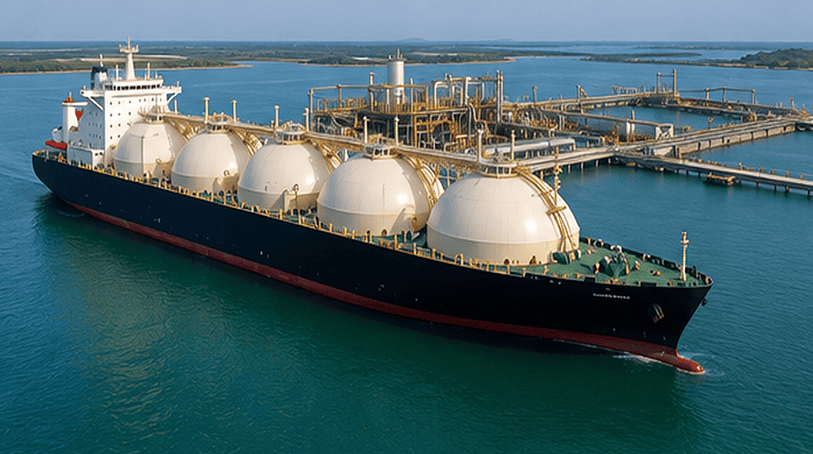
Recent milestones, including the completion of the critical River Niger crossing on the OB3 Gas Pipeline, the implementation of NNPC Limited’s Gas Master Plan 2026, continued progress on the NLNG Train 7 Project, and growing investment in Nigeria’s midstream and downstream sectors, demonstrate the country’s commitment to unlocking its vast natural gas resources and strengthening domestic energy capacity.
For CHOP-OIL Energy Limited, these developments represent more than industry headlines. They signal expanding opportunities to contribute to Nigeria’s energy future through strategic partnerships, project development, technical services, energy trading, infrastructure support, and innovative solutions.
With over 200 trillion cubic feet of proven natural gas reserves, Nigeria is increasingly positioning natural gas as a cornerstone of its long-term economic development strategy.
The Federal Government and industry stakeholders continue to prioritize investments that will expand domestic gas utilization, improve gas transportation infrastructure, increase power generation, support industrial manufacturing, grow LNG exports, strengthen energy security, and attract local and international investment.
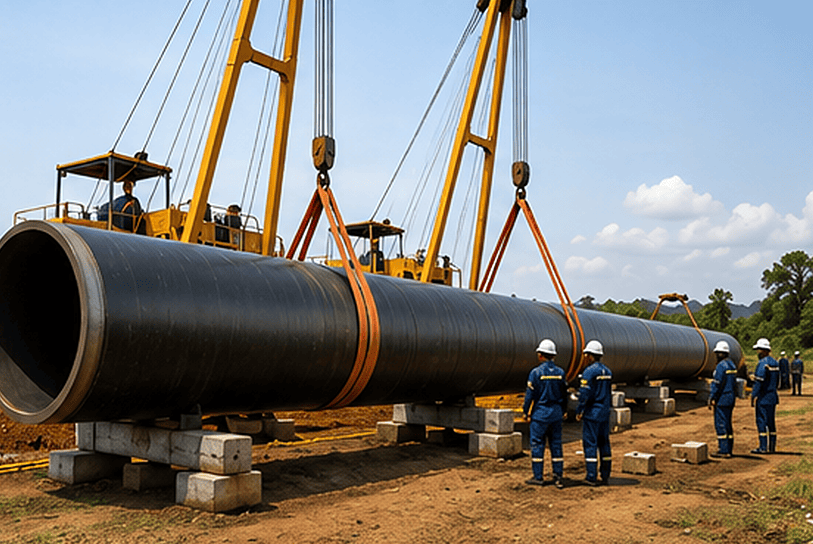
The successful completion of major infrastructure projects such as the OB3 Gas Pipeline marks a significant milestone in expanding Nigeria’s national gas transmission network and improving connectivity between producing regions and demand centres.
Nigeria’s midstream and downstream petroleum sectors are rapidly evolving into major investment destinations.
Industry analysts point to increasing indigenous participation, expanding refining capacity, gas commercialization initiatives, and supportive regulatory reforms as key drivers reshaping the sector. These developments are expected to create new opportunities for engineering companies, logistics providers, technical consultants, project developers, and energy service firms.
As more infrastructure projects move from planning to execution, demand is expected to grow for companies capable of supporting operations with technical expertise, operational efficiency, project management, and innovative solutions.
As an indigenous Nigerian energy company, CHOP-OIL Energy is well positioned to participate in this evolving landscape. The company’s long-term strategy aligns closely with several of the industry’s growth priorities, including:
By maintaining strong relationships with industry stakeholders and continuously monitoring market developments, CHOP-OIL is preparing to identify opportunities that align with its vision for responsible and sustainable growth.
Nigeria’s energy sector is becoming increasingly attractive to investors, technology providers, financial institutions, and international partners seeking long-term opportunities in one of Africa’s largest energy markets.
As infrastructure continues to expand and reforms improve the investment environment, companies with strong technical capabilities, sound governance, and a commitment to operational excellence will be well placed to participate in the industry’s next phase of growth.
CHOP-OIL Energy remains committed to supporting Nigeria’s energy ambitions by building strategic partnerships, embracing innovation, and pursuing opportunities that create long-term value for clients, investors, host communities, and the nation.
Chop-Oil Energy is a leading Nigerian firm specializing in oil & gas, maritime logistics, and energy advisory services, offering comprehensive solutions across the energy sector.